Source Square Spigot Truss Cube Connector for Stage, Events, and Exhibitions
Find and compare 30 square spigot truss cube connector options for stage performance, exhibition building, and background plate applications. These aluminum alloy space frame trusses offer customizable sizes and screw or spigot connections to meet diverse structural needs; compare the available evidence and request quotations based on your requirements.
Key considerations
Products List


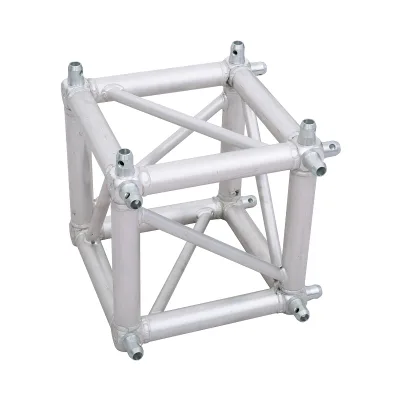
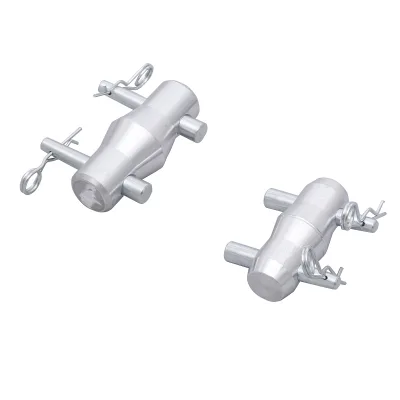
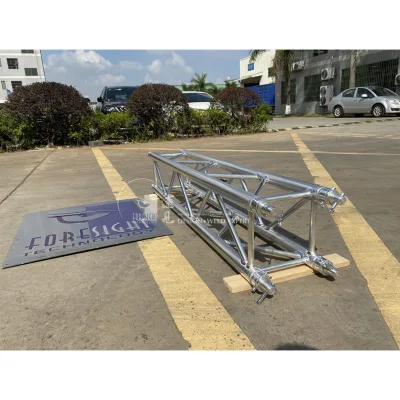


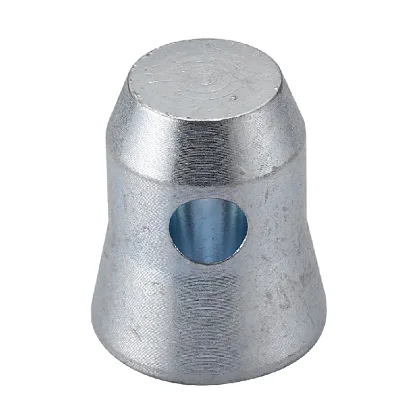
Comprehensive Sourcing Guide
Square Spigot Truss Cube Connector Sourcing Guide
Procuring square spigot truss cube connectors requires distinguishing between fixed truss systems and ball joint variants, as the structural classification dictates the connection method. The observed market data indicates that square configurations often utilize screw or spigot connection ways, with specific models like weixing-002 and CT401 demonstrating distinct structural profiles. Buyers must verify whether the component is designed as a Vierendeel truss or a standard space frame truss, as this determines load distribution and compatibility with existing stage rigging.
The functional role of these connectors varies significantly between supporting background plates for stage performances and serving as critical nodes in exhibition building structures. While some listings highlight a six-faced design for square truss connections, others describe three-faced units intended for different geometric assemblies. Understanding the specific usage context, such as whether the application demands a 10-20m span capability or a compact 8m span, is essential for selecting the correct connector geometry and ensuring the final assembly meets the intended architectural or performance requirements.
Product Scope and Observed Listing Signals
The product scope for square spigot truss cube connectors encompasses a range of aluminum alloy materials, primarily utilizing 6082 grade for optimal strength-to-weight ratios. Observed listings reveal that these components are available in various cross-sectional sizes, including 250x250mm, 300x300mm, and 400x400mm, with some custom options extending to 520x520mm. The shape is predominantly square, though triangle and circle variations exist for specialized applications, requiring buyers to confirm the exact face count and dimensional tolerance before finalizing orders.
Listing signals indicate a wide price range from 1 to 169.2 USD, reflecting differences in material thickness, load capacity, and customization levels. Minimum order quantities fluctuate between single units and 200 pieces, with some suppliers offering flexible terms for any quantity needed. Buyers should note that packing methods typically involve bubble film, but custom requests are accommodated. The presence of specific model numbers like BS601 and CS401 suggests distinct product lines that may serve different structural classifications, necessitating careful cross-referencing of model data with project specifications.
Technical Specifications to Verify
Technical verification must begin with the structural classification, specifically confirming if the connector supports a Vierendeel truss or a standard truss bridge configuration. Load capacity is a critical parameter, with observed ranges spanning from 100-250kg to 300-600kg depending on the specific model and size. Buyers should explicitly request test data or engineering calculations for the intended span, as the observed span capabilities vary from 8m to 20m, and exceeding these limits without verification could compromise structural integrity during stage performance or exhibition building.
The connection method is another vital specification, as the market offers both screw and spigot styles for square truss systems. While some models feature a six-faced design for robust square truss connections, others utilize a three-faced approach for different assembly needs. It is imperative to verify the exact standard dimensions, such as 400x600mm or 290x290mm, against the truss profile being used. Additionally, the material composition must be confirmed as Aluminum Alloy 6082 to ensure durability and light weight, as these properties are fundamental to the safe operation of the truss system under dynamic loads.
Compliance and Safety Documentation
Compliance documentation for square spigot truss cube connectors should prioritize certifications that validate structural safety and material quality. The observed data includes TUV certification and adherence to ISO 9001:2008 standards, which are critical indicators of a manufacturer's commitment to quality management systems. Buyers must request current certificates for the specific model number being purchased, as certification status can vary between product lines and manufacturing batches. Relying on general category knowledge without verifying specific documentation for the ordered item poses a significant risk to project safety.
Safety verification extends beyond paper certifications to include practical load testing and structural analysis reports. While some listings mention TUV ISO 9001:2008, the actual load capacity claims of 300-600kg or 100-250kg must be backed by independent engineering validation. Buyers should ensure that the supplier provides detailed load charts that correlate the specific connector size and connection style with the maximum allowable span. Without these specific documents, the risk of structural failure during high-stakes applications like stage performances or large-scale exhibition buildings remains unmitigated.
Cost Drivers and Commercial Terms
Cost drivers for square spigot truss cube connectors are heavily influenced by the aluminum alloy grade, the complexity of the connector geometry, and the customization level required. The observed price range of 1 to 169.2 USD reflects these variables, with higher costs associated with custom sizes, specialized load capacities, and specific connection styles like spigot versus screw. Buyers should analyze the cost per unit against the required load capacity and span, as cheaper options may not support the necessary 300-600kg loads for heavy-duty applications.
Commercial terms regarding minimum order quantities and lead times vary significantly among suppliers, with some offering flexible MOQs while others require bulk purchases. The observed MOQ range of 1 to 200 units suggests that small projects can source individual connectors, but larger orders may benefit from volume discounts. Packaging requirements, such as bubble film or custom requests, can also impact the final cost and logistics planning. Buyers must clarify these terms early to avoid unexpected expenses and ensure that the delivery schedule aligns with the project timeline for stage or exhibition setup.
Supplier Qualification and Quality Control
Supplier qualification should focus on verifying the manufacturing origin and the consistency of their quality control processes. The observed data points to suppliers located in Jiangsu and Guangdong, China, with specific models like weixing-002 and CT401 indicating established production lines. Buyers should request evidence of the supplier's ability to maintain consistent material properties, specifically the Aluminum 6082 alloy, across different batches to ensure uniform performance and durability.
Quality control measures must include rigorous inspection of the connector faces and connection points to prevent assembly failures. The observed traits of being durable and lightweight but strong in load capacity require physical verification through sample testing. Buyers should inspect the surface finish and dimensional accuracy of the square, triangle, or custom shapes to ensure they meet the specified standards. Additionally, verifying the supplier's ability to provide custom packing and adhere to specific model numbers is essential for maintaining the integrity of the supply chain and preventing mix-ups during large-scale procurement.
Long-Term Procurement Checks
Long-term procurement checks should prioritize the availability of replacement parts and the consistency of product specifications over time. Since the market offers various models with different load capacities and connection styles, buyers must ensure that the supplier can maintain the same specifications for future orders to avoid compatibility issues with existing truss systems. The observed variety in sizes and shapes, such as 250x250mm versus 400x400mm, necessitates a clear record of the exact model numbers used in the initial installation.
Sustainability and material traceability are also critical for long-term projects, particularly when the truss system is used repeatedly for stage performances or exhibitions. Buyers should verify that the supplier maintains a consistent supply of Aluminum 6082 and can provide documentation for the material's origin and processing. Regular audits of the supplier's quality control processes and certification renewals, such as TUV and ISO 9001:2008, will help ensure that the square spigot truss cube connectors continue to meet safety and performance standards throughout the lifecycle of the procurement contract.
FAQs
What materials are used for square spigot truss cube connectors?
Square spigot truss cube connectors are typically manufactured from high-strength aluminum alloy, such as Aluminum 6082. This material ensures the connectors remain lightweight while providing strong load capacity. The silver finish offers durability and resistance to corrosion, making them suitable for various stage performance and exhibition building applications where structural integrity is critical.
How do spigot connectors differ from screw connectors in truss systems?
Spigot connectors allow for quick assembly by inserting truss ends directly into the cube, whereas screw connectors require fastening with bolts. Both styles are available for square truss systems. Spigot connections often provide a cleaner aesthetic and faster installation for temporary structures, while screw connections may offer additional security for permanent installations or heavy loads.
What load capacities can be expected from these aluminum truss connectors?
Load capacities vary by model and configuration, typically ranging from 100-250kg to 300-600kg. These ratings depend on the specific truss dimensions and structural classification, such as Vierendeel or space frame designs. Buyers should verify the exact load rating for their intended span and usage, whether for background plates or exhibition buildings, to ensure safety.
Can square spigot truss cube connectors be customized for specific projects?
Yes, customization is available for many square spigot truss cube connectors. Manufacturers often support OEM requests for specific sizes, such as 250x250mm or 400x400mm, and can accommodate custom shapes like circles or triangles. Buyers can also request specific packing methods, such as bubble film, to protect the connectors during shipping and storage.
What certifications are associated with these truss connectors?
Some square spigot truss cube connectors carry TUV certification and comply with ISO 9001:2008 standards. These certifications indicate adherence to quality management and safety protocols. Buyers requiring specific compliance for international projects should verify the current certification status with the supplier, as standards may vary by production batch and origin location.
What are the common specifications for square truss connectors?
Common specifications include cross-section sizes like 200x200mm, 290x290mm, and 400x600mm. The connectors are designed for spans ranging from 8m to 20m. They feature six faces for square trusses or three faces for triangular variants. Buyers should select the size that matches their existing truss profile to ensure proper fit and structural stability.